

📋 Table of Contents
Motorbike from Hanoi to Ha Giang: How to Stay Protected and Avoid the “Vietnam Tattoo”: In the community of serious riders, a “Vietnam Tattoo” is the grim nickname for the deep asphalt-burn scars left by a sliding accident. These aren’t badges of honor; they are permanent marks of poor preparation. Avoiding this “tattoo” is the hallmark of a professional—it’s the difference between an epic mountain story and a costly medical evacuation.
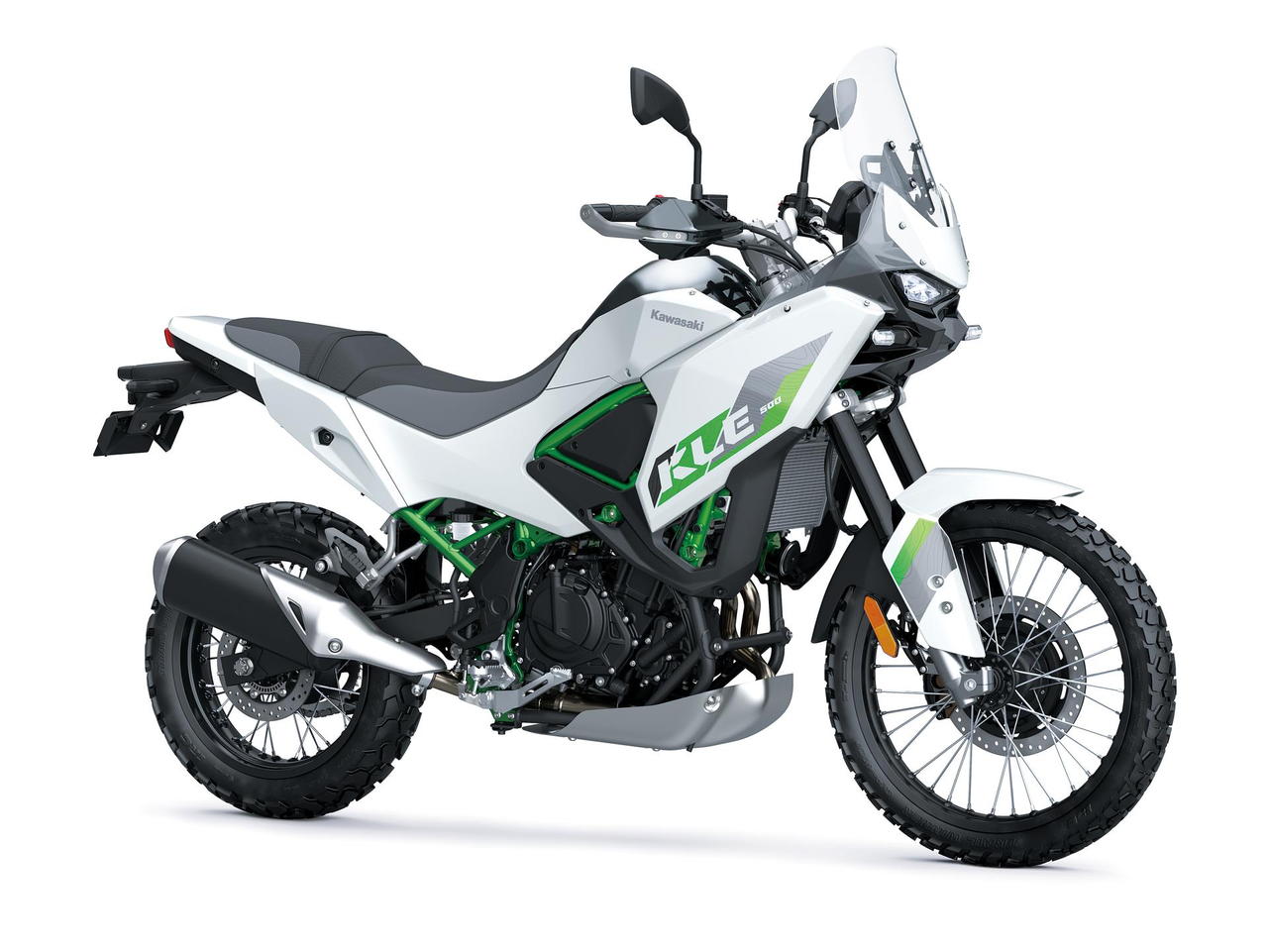
For a motorbike rider on a high-spec motorbikes like the CFMOTO 450MT, Himalayan 450, Kawasaki KLE500 or Honda NX500, the stakes are higher because the terrain is unforgiving. Here is your professional guide to keeping your skin intact on the road from Hanoi to the Northern Vietnam.
1. ATGATT: All The Gear, All The Time
The most effective way to avoid the “Vietnam Tattoo” is simple: ensure your skin never touches the ground.
The Gear Hub: Hanoi is the only place in the North to source professional-grade Cordura or leather jackets with CE-rated armor.
The “Serious” Setup: High-spec riding boots (to prevent ankle crushing), armored gloves, and knee guards are non-negotiable. In the limestone loops of Ha Giang, the road surface is like sandpaper; standard denim will disappear in less than a second of sliding.
2. Master the “Buffering Zone”
Vietnamese road dynamics are organic, not linear.
Predictive Riding: Expect a water buffalo, a child, or a truck to appear around every blind mountain curve.
The 2-Second Rule: On the Ho Chi Minh Trail or the highways out of Hanoi, give yourself a massive buffer from the vehicle in front. Diesel spills and sudden stops are frequent.
Hanoi Calibration: Use your first day riding out of Hanoi to calibrate your brain to the “flow” of local traffic before hitting the high-speed mountain passes.
3. The “Truck Wash” Danger
In the mountains of Sapa and Ha Giang, heavy trucks often spray water on their brakes to cool them during long descents. This creates a lethal mix of water, dust, and oil on the road.The Risk: Even on a perfectly dry day, a “wet patch” on a hairpin curve can be as slippery as ice.
- The Save: If you see a wet patch, straighten the bike as much as possible and avoid heavy lean angles or sudden braking until you are back on dry asphalt.
4. Technical Brake Management
- Mountain descents in the North can last for 20km or more.
- Engine Braking: Use the torque of the Honda CRF300L or Himalayan 450 to slow your descent. Relying solely on your disc brakes will cause them to overheat (brake fade), leading to a high-speed overshoot.
- ABS for 2026: Ensure your rental has functional ABS. It prevents wheel lock-up on the sandy/gravelly shoulders common in the Northeast.
5. Respect the Fatigue Factor
Most “tattoos” are earned after 2:00 PM when concentration dips.
- Hydration: Dehydration leads to slow reaction times.
- Strategic Stops: Break every 90 minutes. The high-vibration mountain riding of the North is physically taxing even on a smooth NX500.
Why Starting in Hanoi is Your Best Protection
- Quality Armor: You cannot find genuine adventure jackets or boots in a mountain village. You must gear up in Hanoi.
- Mechanical Integrity: A stuck throttle or a failing brake line is a primary cause of accidents. Starting with a bike from a professional Hanoi fleet ensures the mechanical failure risk is near zero.
- Legal Coverage: If you get a “tattoo” while riding unlicensed (without a 1968 IDP), you are not just scarred—you are financially ruined, as your insurance will refuse to pay for the surgery or evacuation.
All the amazing motorbike routes along Vietnam are waiting for you to explore. Are you ready for the trip of a lifetime?
Happy Riding!