
📋 Table of Contents
Sourcing Professional Gear in Hanoi: Where to Buy Boots and Armor: Staging for a multi-week expedition into the mountains? Our exhaustive 2,000-word guide breaks down exactly where to source genuine, CE-certified adventure boots, body armor, and protective gear in Hanoi.
The 2026 Safety Paradigm: Why Commuter Gear Fails on the Frontier
As you prepare to clear the urban gates of Hanoi for an expedition into the high peaks of the Northern Frontier, your mind is likely focused on route optimization, engine specs, and camera positions. However, the most critical layer of your expedition architecture is the one wrapped directly around your body. The unique topography of Vietnam—characterized by sharp limestone shale, sudden tropical cloudbursts, and highly fluid traffic patterns—demands a level of personal protection that far exceeds standard street clothing or basic commuter gear.
- In 2026, the influx of high-capacity middleweight adventure machines like the CFMOTO 450MT and the Himalayan 450 has fundamentally altered the physical forces involved in a typical trail mishap.
- Sliding down a wet gravel pass at 50 km/h or dropping a 180-kilogram motorcycle onto your ankle in a muddy rut creates kinetic stresses that will instantly shred casual denim, lightweight sneakers, or unrated “fashion” motorcycle jackets. Sourcing genuine, professionally certified protective equipment is a primary mission parameter that must be executed during your staging phase in the capital.
- Hanoi stands as the absolute distribution capital for high-end, international-standard protective gear in Northern Vietnam. While local street markets are flooded with cheap replicas, a professional rider must know exactly how to navigate the city’s high-spec retail ecosystem to locate genuine European and American certified armor. This deep-dive manual breaks down the anatomy of impact protection, exposes the structural danger of counterfeit goods, and provides a clear map of Hanoi’s premium gear staging grounds.
1. The Anatomy of Impact Protection: Deciphering Safety Standards
- Before entering a physical retail showroom in Hanoi, you must understand the global engineering languages used to certify safety gear. In the premium motorcycling space, the gold standard is the European Conformity (CE) rating system. If a piece of body armor or an adventure boot lacks a verified CE impact stamp, it is technically classified as a fashion garment, offering zero calculated resistance to abrasion or fractures.
Understanding EN 1621-1 and EN 1621-2
When inspecting back protectors, elbow armor, shoulder cups, or knee guards, look directly at the molded rubber inserts for the EN 1621 structural codes:
- EN 1621-1: This standard governs limb protectors (shoulders, elbows, hips, and knees). It measures how much residual force is transmitted through the armor pad when struck with a heavy kinetic weight.
- EN 1621-2: This stricter standard specifically governs back and spine protectors.
Within these standards, the gear is further categorized into CE Level 1 and CE Level 2. A CE Level 1 protector allows up to 35 kN of force to transfer to your bones during an impact. A CE Level 2 protector absorbs significantly more energy, allowing a maximum of only 18 kN (for limbs) or 9 kN (for back armor) to pass through. - For the rock-strewn trails of the Ha Giang Loop or the deep limestone valleys of Cao Bang, CE Level 2 armor is our non-negotiable recommendation. The impact of landing directly on a sharp, immovable chunk of karst stone requires the absolute maximum dampening capability that modern polymer chemistry can provide.
2. Sourcing Adventure Boots: Managing the Ankle Torsion Risk
Your feet and ankles are the most vulnerable parts of your body during an off-road expedition. When paddling a heavy adventure bike through deep mud, balancing across a slippery river crossing, or navigating a boulder field, your lower limbs are constantly exposed to crushing forces, hyper-extension, and direct impacts from flying debris.
The MX Boot vs. Adventure Boot Dilemma
Many riders make the mistake of attempting a 2,000-kilometer cross-country tour wearing rigid, full-scale Motocross (MX) boots. While MX boots offer the highest possible level of structural protection, their complete lack of ankle flexibility makes them a nightmare for multi-day touring. They prevent you from walking comfortably through local ethnic minority villages, climbing up to scenic view points, or subtly modulating the rear brake pedal of an adventure bike over an 8-hour shift.
The ideal solution for Vietnam is a Premium Hinge-System Adventure Boot (such as the Alpinestars Corozal, Sidi Adventure 2, or Gaerne Balance). These specialized boots feature a dual-density mechanical hinge mechanism at the ankle joint. This configuration provides absolute lateral rigidity—preventing your ankle from twisting sideways or snapping if the bike falls directly onto your leg—while allowing for natural forward and backward flexing. This flexibility is vital for long-distance endurance, allowing you to maintain perfect control over your shifter and rear brake without inducing muscle cramps in your shins.
The Tropical Waterproofing Reality
Hanoi’s premium gear shops stock boots utilizing two distinct types of waterproof membranes: genuine Gore-Tex and various proprietary synthetic liners (such as Drystar or H2Out). In the extreme 35C humidity of a Vietnamese summer, a proprietary liner can trap heat, transforming the inside of your boot into a sweltering sauna that leads to blisters and skin degradation.
Genuine Gore-Tex membranes utilize microscopic pores that are 20,000 times smaller than a water droplet but 700 times larger than a water vapor molecule. This molecular architecture allows your foot sweat to evaporate outward while preventing torrential monsoon rain from entering, keeping your feet dry and healthy across multi-week loops.
3. Body Armor Architecture: Mesh Jackets vs. Standalone Layering
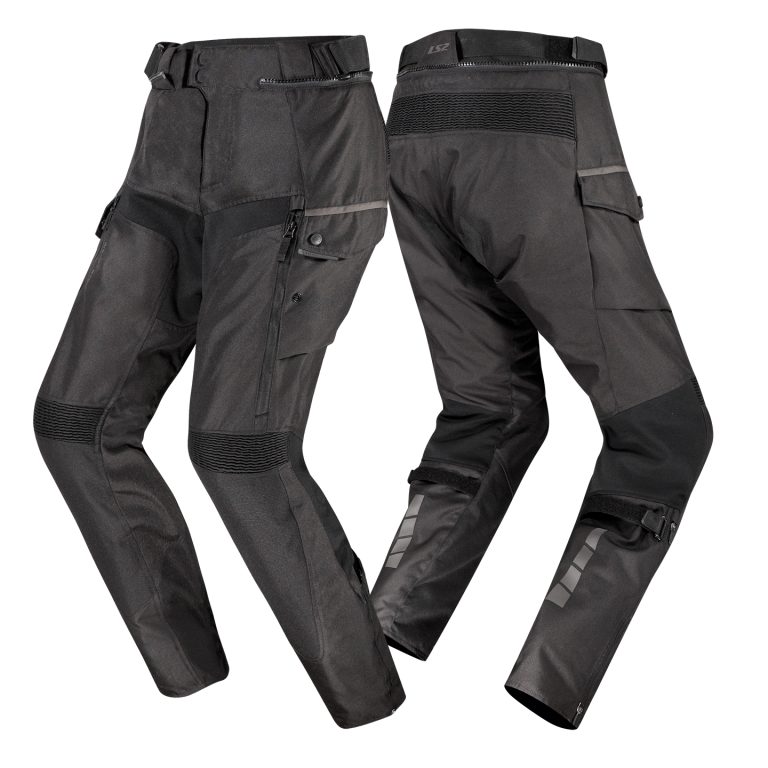
Selecting the right upper-body armor for a Vietnamese tour requires balancing two diametrically opposed physical forces: Maximum Impact Protection and High-Volume Air Ventilation. If you wear a heavy, non-vented leather or multi-layer textile jacket designed for cold European climates, you will succumb to heatstroke within two hours of navigating Hanoi’s urban congestion or climbing the humid valleys of the Central Highlands.
The Premium Mesh Jacket Approach
High-end manufacturers like Rev’it! (Eclipse or Tornado series) and Dainese have mastered tropical adventure apparel by utilizing high-denier polyester mesh fabrics. These jackets feature open-weave mesh panels across the chest, inner arms, and back, allowing for a continuous, unrestricted volume of ram-air cooling to pass over your torso while riding.
Crucially, the high-impact strike zones—the shoulders and elbows—are reinforced with heavy, abrasion-resistant 600 Dto 1000 D Cordura panels housing CE Level 2 armor inserts. This architecture ensures you remain completely cool in intense humidity while retaining full pavement slider protection.
The Standalone Armored Shirt Revolution
In 2026, an increasingly popular strategy among elite dual-sport riders staging out of Hanoi is the deployment of a Standalone Armored Shirt (such as the Forcefield Pro Shirt or Knox Zephyr). These compression garments are constructed from ultra-breathable, moisture-wicking athletic fabrics that fit tightly against the skin, locking soft, reactive smart-armor pads (like D3O or Nitrex Evo) perfectly in place over your joints.
Because these smart polymers remain soft and pliable until they receive a sudden impact—at which point they instantly lock into a rigid structural shield—they offer unparalleled ergonomic comfort. You can wear the armored shirt as your base layer, and simply throw a lightweight, breathable jersey over the top for dust protection, or a technical rain shell when a sudden monsoon storm rolls in over the mountains.
4. Top Premium Gear Staging Grounds in Hanoi
Navigating Hanoi to find authentic international brands requires bypassing the generic tourist shops in the Old Quarter and heading directly to the dedicated motorcycle lifestyle districts. The capital hosts a select group of highly professional outposts where you can test, fit, and purchase authentic adventure equipment.
The Cầu Giấy District Hub: Bikers Store Hanoi
Located at No. 37, Nguyễn Như Uyên Street, Yên Hòa Ward, Cầu Giấy District, Bikers Store is widely recognized as one of the premier destinations for genuine European riding gear in Northern Vietnam.
- The Inventory: This facility is an official partner and stockist for elite brands including Dainese, Rev’it!, HJC, Arai, and Shoei.
- The Advantage: Unlike shops that cater exclusively to small Asian frames, Bikers Store actively imports Western sizing options (up to XL and XXL) for jackets, trousers, and boots. Their staff are deeply embedded in the local high-capacity riding community, offering expert advice on configuring your gear layout specifically for long-range cross-country touring.
The Tây Hồ & Ba Đình Perimeter
For riders focused on hard enduro, dual-sport tracks, and technical trail riding, the retail alliance of Local provides a massive logistical asset.
- The Inventory: Their Hanoi inventory specializes heavily in hard-use off-road protection, stocking genuine Fly Racing motocross boots, Kriega waterproof adventure luggage networks, and Bell off-road helmets.
- The Advantage: Their business model is built on real-world testing; the gear they sell is identical to the equipment used by their own mountain tour guides, ensuring that every helmet, glove, and knee guard on their shelves has been proven to survive the abrasive environmental realities of the limestone loops.
Motorush299: The Specialty Accessory Depot
Situated slightly outside the central core, Motorush299 functions as an exceptional sourcing depot for technical rider accessories. They offer an unmatched selection of premium Cardo and Sena communication arrays, Sp Connect vibration-dampening smartphone mounts, and heavy-duty GIVI soft luggage systems. If your primary armor is sorted but you need to finalize your electronic and tactical gear layout before hitting the highway, this is a vital command stop.
5. The Counterfeit Trap: Navigating Street Markets Safely
One of the greatest dangers facing an international traveler staging in Hanoi is the prevalence of counterfeit protective gear. In popular shopping zones like Chợ Trời (The Sky Market) or the dense street stalls of the Hoàn Kiếm district, the shelves are packed with replicas of Alpinestars jackets, Dainese gloves, and Shoei helmets selling for a fraction of their international retail prices.
The Mechanical Failure of Replica Gear
While a replica jacket might look aesthetically identical to a genuine article, its internal construction is a dangerous illusion.
- The Fabric Swindle: Genuine adventure gear uses specialized nylon polymers like Cordura, which have melting points well over 250 C and immense tensile strength. Counterfeit jackets are almost universally stitched using cheap, un-rated polyester or nylon. Under the intense friction of a pavement slide, these cheap fabrics will instantly melt from the heat of the friction, fusing the hot plastic directly into the rider’s skin.
- The Thread Failure: Authentic gear utilizes multi-row, structural safety stitching hidden inside the seams to prevent the garment from bursting open upon impact. Replicas use standard single-line cotton or low-grade polyester threads. The moment a rider hits the ground, the seams instantly tear apart, exposing the bare body to the road.
- The Fake Foam Illusion: The “armor pads” inside counterfeit jackets are typically constructed from cheap packaging foam or low-density rubber that hardens in the cold and collapses under pressure. They offer zero shock-absorption capacity, transferring the entire kinetic energy of an impact straight into your joints.
The Duy Anh Verification Checklist:
To guarantee you are putting your life behind genuine engineering, apply these strict physical verification steps before purchasing any gear in the capital:
- Verify the Holograms and QR Codes: Premium brands like Rev’it! and Dainese integrate unique cryptographic QR codes or security holograms inside the inner labels that link directly to the manufacturer’s authentication databases.
- Inspect the Zipper Hardware: Genuine high-spec gear exclusively utilizes industrial-grade YKK or Opti zippers. If a jacket features generic, branding-free zippers or flimsy plastic tracks, it is a guaranteed counterfeit.
- The Armor Flex Test: Pull the shoulder or elbow pad out of the garment. True smart armor (like D3O) should be highly flexible and soft when rolled between your hands, but should feel rigid and solid if you strike it sharply against a hard edge.
6. The Pre-Tour Sizing and Ergonomic Fitment Protocol
Once you have located an authentic gear showroom, do not simply buy your standard clothing size. Motorcycle protective equipment must fit tighter than casual wear to ensure the armor pads remain locked over your bones during a chaotic slide.
The Jacket Alignment Routine
Put on the mesh jacket or armored shirt and zip it completely to the throat. Have a specialist or riding companion attempt to manually pull the elbow cups away from your joints. If the fabric rotates around your arm, the jacket is too large; in a real crash, that armor pad will slide away, leaving your bare elbow to hit the ground. Ensure the sleeve cuffs terminate exactly at your wrist bone when your arms are extended forward in a simulated handlebar-gripping posture.
The Boot Deflection Test
When trying on adventure boots, put on the specific thick, technical socks you plan to use on the trail. Fasten all the mechanical buckles tightly. Stand up on a hard surface and attempt to forcefully kick a solid wall or step. Your toes should not slam into the front of the toe box—there must be a small 5mm buffer zone to prevent bruised toes during long downshifts or foot-paddling maneuvers. Walk up and down a set of stairs; your heel should remain firmly locked into the back of the boot cup without lifting or rubbing excessively against the interior lining.
Conclusion: Armor Up Before the Gate Clears
The wild topography of Northern Vietnam is an incredibly rewarding playground, but it treats arrogance with absolute severity. The mountains do not care if you are an expert rider with decades of international touring experience; a sudden patch of spilled diesel inside an unlit mountain tunnel or a loose patch of construction gravel mid-hairpin can bring any rider down in a fraction of a second.
Investing the time and capital to secure genuine, CE-certified adventure boots and high-viscosity body armor during your staging phase in Hanoi is the hallmark of a professional, responsible overlanded. It changes the psychological landscape of your entire expedition. When you clear the Hanoi city limits, standing tall on the footpads of a perfectly prepared middleweight machine from Duy Anh Motorbikes, wrapped in authentic, track-proven armor, you aren’t riding with anxiety—you are riding with absolute tactical command. Protect your body with the same discipline you use to plot your mountain routes, and ensure that your journey through the clouds is defined by breathtaking vistas rather than preventable injuries.